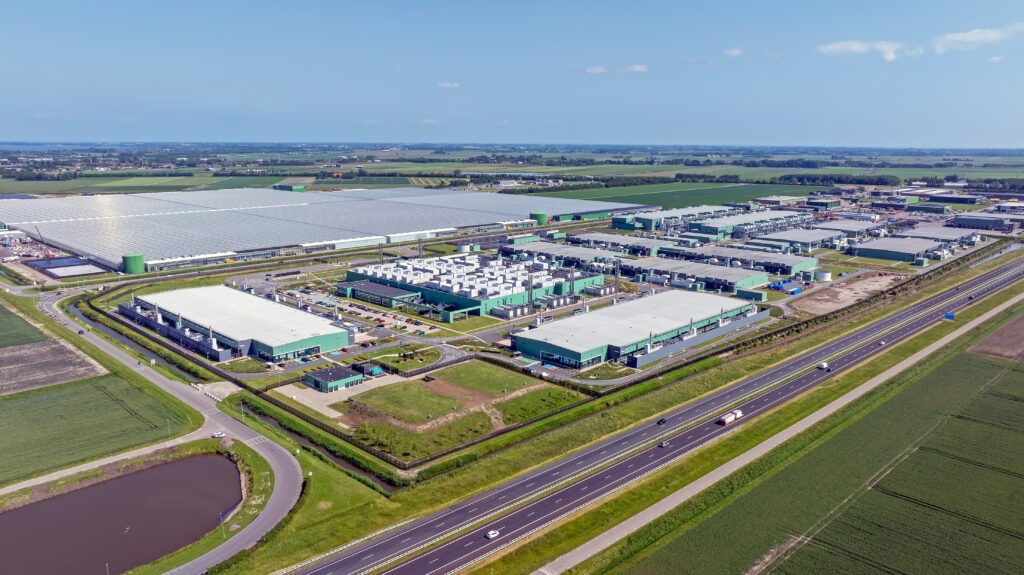
1) What’s included in Data Center Modernization?
It typically includes infrastructure refresh planning, network and security architecture updates, virtualization and storage modernization, and improved resiliency. It can also include hybrid designs that connect on-prem environments to cloud services cleanly.
2) How do you reduce risk during a modernization project?
We start with discovery, dependency mapping, and a phased plan. Modernization is safest when changes are staged, validated, and reversible—not done as a single “big bang” cutover.
3) Can you modernize without major downtime?
Often, yes. Downtime depends on what’s changing and what redundancy exists today, but we plan around maintenance windows and phased migrations wherever possible. The goal is continuity first, improvements second.
4) How do you decide what should stay on-prem vs. move to cloud?
We evaluate workload requirements (latency, compliance, app dependencies, cost predictability) and recommend the right mix. Modernization isn’t “cloud-first” by default—it’s business-fit first.
5) What’s the most common outcome clients want from modernization?
More stability and visibility, faster change management, and fewer outages caused by aging infrastructure. A modern environment should be easier to secure, easier to scale, and easier to support.