Search

Modernize Video Surveillance

When cameras are outdated, poorly placed, or hard to manage, they don’t reduce risk—they create uncertainty. This use case focuses on improving coverage, clarity, and day-to-day usability so video becomes an operational asset.
See more clearly, respond more confidently, and investigate faster.

When Video Doesn’t Deliver Answers

Surveillance should reduce uncertainty—especially during incidents, investigations, and compliance reviews.

●  Coverage gaps and low image quality make it difficult to confirm what happened.

●  Legacy systems are difficult to search, slow to export, or unreliable when you need footage quickly.

●  Storage, retention, and bandwidth planning weren’t built for current camera demands.

Better Coverage, Smoother Operations

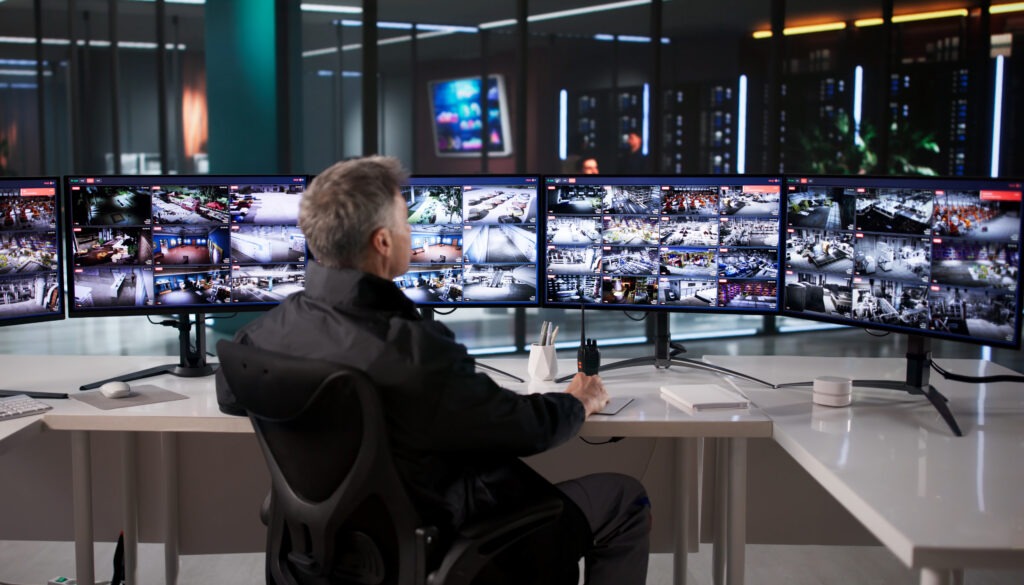
A modern system gives you dependable coverage where it matters most—and a management experience teams can actually use. Video is easier to monitor, faster to search, and simpler to share for investigations. Over time, standardized components and governance make expansion and refresh cycles predictable.


  • Improved coverage strategy and clearer image quality
  • Faster search, retrieval, and export for investigations
  • Scalable storage and retention aligned to policy needs
  • More reliable uptime through better design and maintenance
  • Consistent standards across buildings and sites


How DataVox Supports Surveillance Modernization

Site walkthroughs to validate coverage goals and risk areas

Design planning for camera placement, retention, storage, and network requirements

Standardization approach for multi-site consistency

Deployment and commissioning to confirm performance and recording integrity

Support options to keep systems stable and footage accessible

Upgrade Surveillance Without
Adding Complexity

Frequently Asked Questions

1) What does “modernizing video surveillance” mean in practice?

It usually means moving to a more scalable camera and recording architecture, improving visibility across sites, and simplifying management and retention policies. The outcome is stronger security coverage with less operational friction.

2) Can you help us migrate from an older system without losing coverage?

Yes. We plan the transition to maintain uptime, prioritize critical areas first, and phase migration to minimize disruption. We also validate storage, retention, and bandwidth needs so performance stays consistent.

3) How do you handle multi-site surveillance and centralized monitoring?

We design for centralized visibility with consistent policies across locations—camera standards, retention rules, user access controls, and alerting workflows. This helps security teams manage multiple sites without manual workarounds.

4) What about cybersecurity for cameras and surveillance systems?

Surveillance systems are part of your network and should be treated like it. We incorporate segmentation, access controls, secure configuration, and monitoring practices so cameras don’t become an easy entry point.

5) How do we right-size storage and retention without overspending?

We model retention goals, camera resolution/frame rate, and expected usage to size storage appropriately. The result is a design that meets operational and compliance needs without paying for capacity you don’t need.