1) What is a License Plate Reader (LPR) system, and what does it do?
A License Plate Reader system uses specialized cameras and software to capture license plates and convert them into searchable data tied to time and location. DataVox helps design LPR deployments that support use cases like perimeter awareness, access monitoring, and investigative searches—without adding operational complexity.
2) Where are LPR cameras typically deployed for the best results?
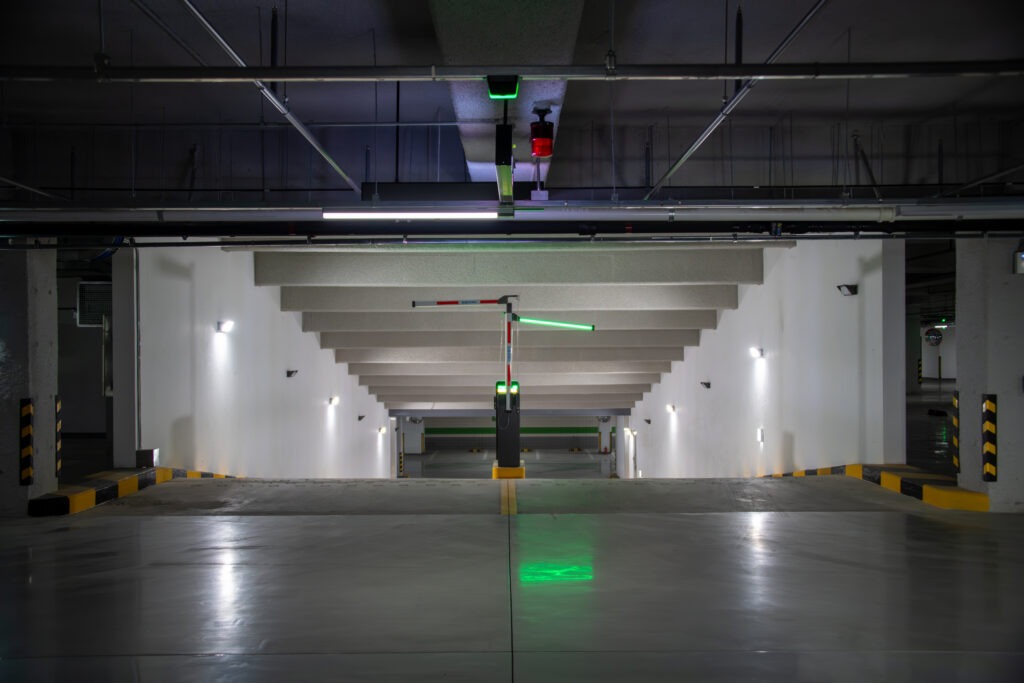
LPRs perform best at controlled entry/exit points such as parking lot entrances, gated access lanes, loading docks, and perimeter roads where vehicles pass through predictable paths. DataVox plans placement, angles, lighting considerations, and capture zones to improve read rates and reduce false reads.
3) How does DataVox ensure the LPR system is reliable and usable day-to-day?
DataVox designs for reliability by validating network connectivity, storage/retention needs, and system health monitoring. DataVox also helps define operational workflows—who can search, how alerts are handled, and how evidence is exported—so the system is actionable, not just installed.
4) Can LPR integrate with video surveillance, access control, or security operations workflows?
Yes. DataVox can integrate LPR events with broader physical security systems so teams can correlate plate reads with video footage, trigger alerts based on watchlists, and streamline incident review. DataVox focuses on practical integrations that improve response time and reduce manual investigation work.
5) How does DataVox address privacy, data retention, and policy considerations for LPR?
DataVox helps align the deployment to your governance requirements by defining retention periods, access controls, auditability, and documented policies for appropriate use. DataVox recommends a “least access necessary” approach so only authorized roles can view or export sensitive data.